ስለኛ
About
Historical Background of the Ethiopian National Theatre
The Ethiopian National Theare, originally known as the Haile Selassie Theatre, is often mistakenly believed to have been built solely to commemorate the 250h amiversary of the emperor’s reign. However, historical records suggest a broader mision: to preserve Ethiopian culture while modernizing the nation’s artistic landscape.
In the carly 1940s, Western and American cultural influences began permeating Ethiopian society via film, music, and literature. Alarmed by this, local scholars sdvocated for strengthening Ethiopian arts both to resist foreign influence and to benefit from global artistic advancements.
Emperor Haile Selassie I strongly supported this vision, recognizing the power of theatre and music in promoting national identity and economic development.
Haile Selassie
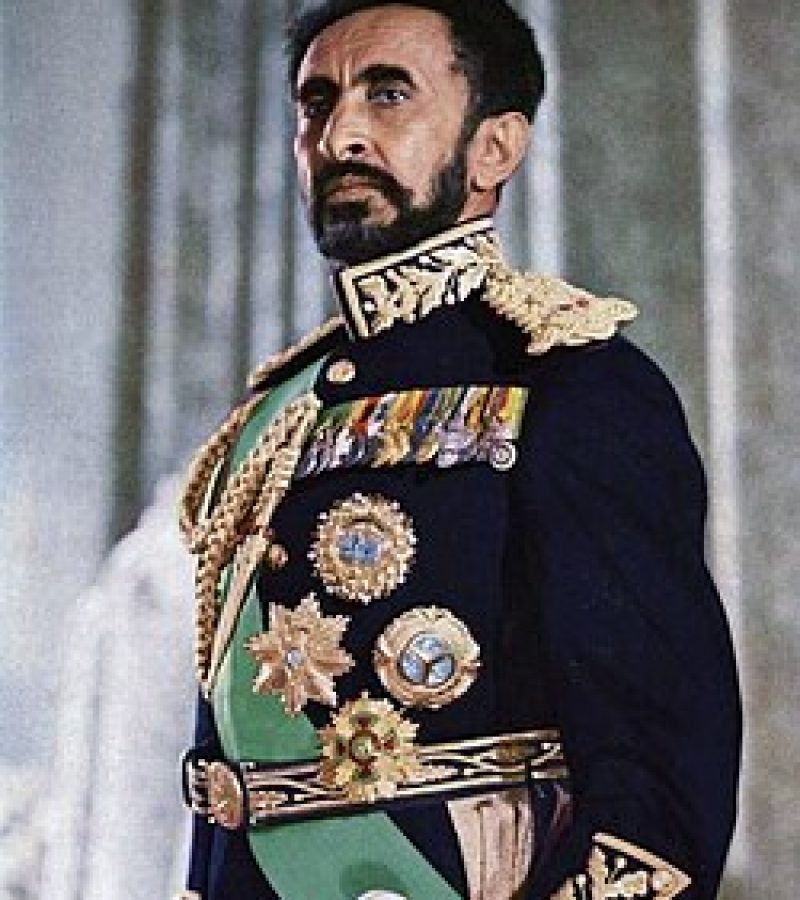
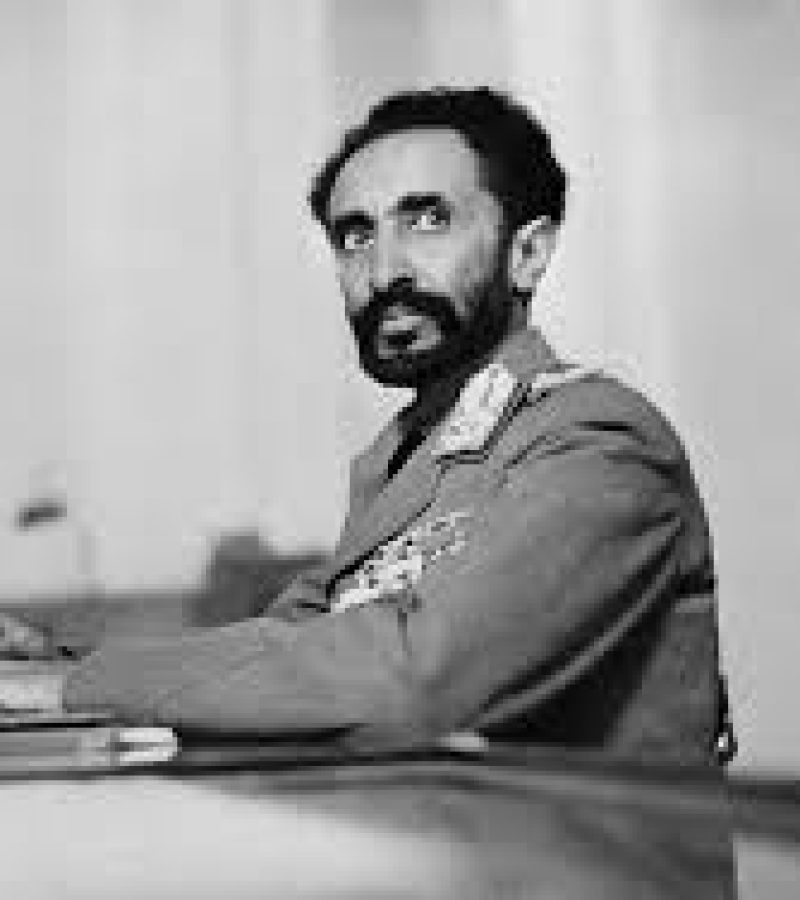
Initially, the theatre housed 6 students, aged IS to 18, performing modern music and drama across Addis Ababa. Works by renowned poets like Yoftahe Niguse and Afewerk Adafre attracted large audiences, leading to over-crowded performances.
A theater expansion committee was formed in 1940 under the leadership of Dejazmach Demissie W/Amanuel, the then Mayor of Addis Ababa. Later, Mayor Blata Zewde Belayneh brought the matter to the emperor, and renovations on the building formerly Cinema Marconi-commenced. This Italian-constructed cinema hall had been left incomplete during the Fascist Occupation and was repurposed as a modern theatre.
Experts who contributed to the construction Haile Selassie 1 Theatre
Tana Association: Responsible for Interior Construction J. Salmon: Exterior Construction
Henry Shomet: In addition to leading the technical office overall supervisor and head of engineering), he also took responsibility for the internal work of the theater, including curtains, carpets, paintings, stage and cinema equipment, mirrors, mosaics,
Maurice Calka Fintone and Moze took responsibility to work sculpting art those visible, an entrance of the hall, which represents tragedy, comedy, dance, music. As well as two animal sculptures and the Lion of Judah
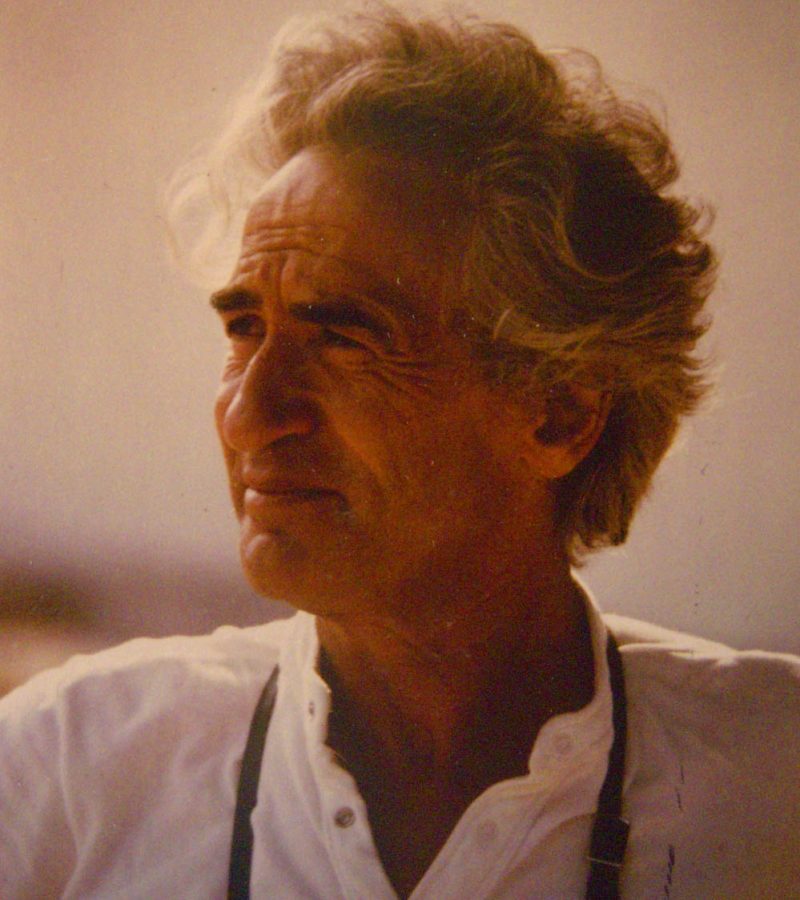
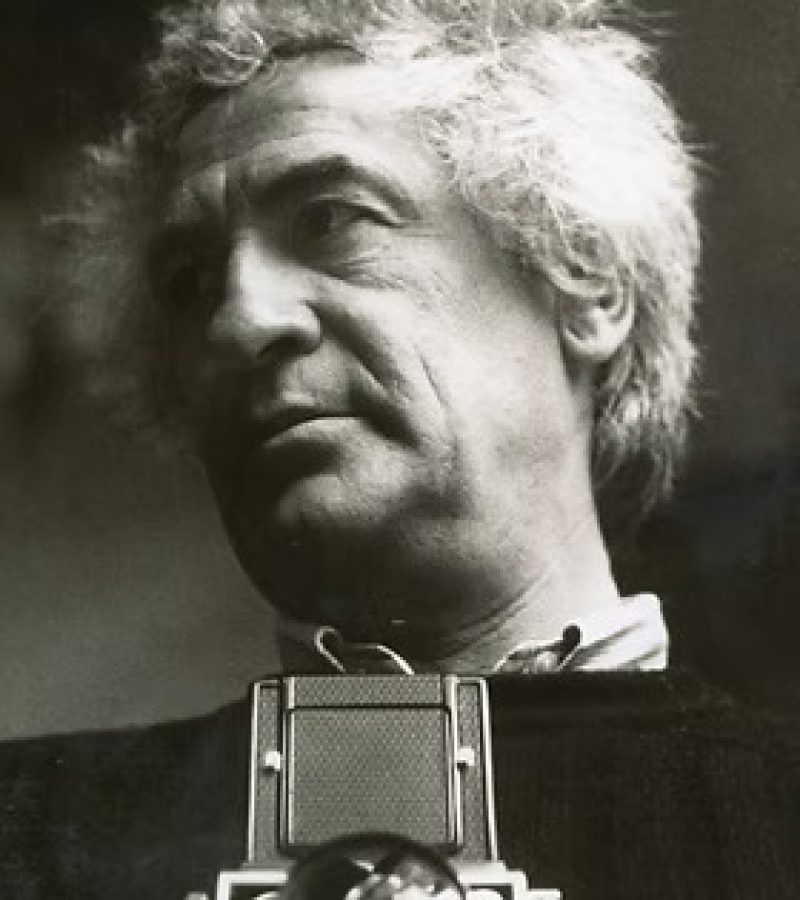
Maurice Calka
Maurice Calka (1921–1999) was a visionary French sculptor and urbanist who played a pivotal role in shaping the visual identity of modern Addis Ababa. A winner of the prestigious Grand Prix de Rome, Calka was celebrated for his ability to blend monumental stone carving with radical, forward-thinking modernism. His career spanned across architecture and design, ranging from large-scale public art in Europe to the iconic “Boomerang Desk,” a masterpiece of 20th-century furniture design.
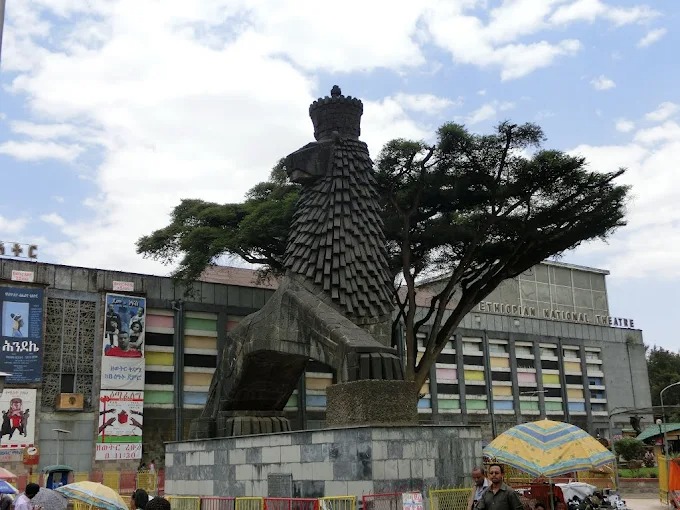
His most enduring contribution to Ethiopia is the legendary Lion of Judah monument, commissioned by Emperor Haile Selassie in 1955 to stand at the entrance of the National Theater. Standing ten meters tall, the sculpture was a bold departure from traditional realism, using sleek, geometric lines to symbolize an Ethiopia entering a new era of progress. Today, it remains an inseparable part of the National Theater’s architectural heritage and a world-renowned symbol of Ethiopian strength and cultural pride.
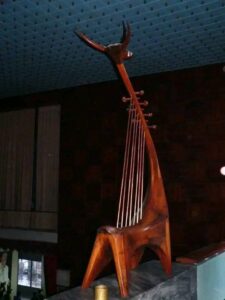
Entrance of the hall, two animals sculptures
Messi Alaie. Messi Kalka, Messi Feltone, and Messi Moze were selected by Henry Shomet to assist them in this work.Additional international contributors Messi Perez and Messi Pinho were assigned to the curtains and design work. While the construction of the theater was ongoing, a new trainer was coming from Austria to train professionals who were previously working for the Addis Ababa Municipality.
To prepare the inaugural performance, Austrian coach Franz Zelwecker trained local actors and musicians. Zelwecker,in collaboration with Prime Minister Beteweded Mekonnen Endalkache., produced the musical Play David and Orion. He also founded a music lovers' association and served as the theatre's first artistic director.
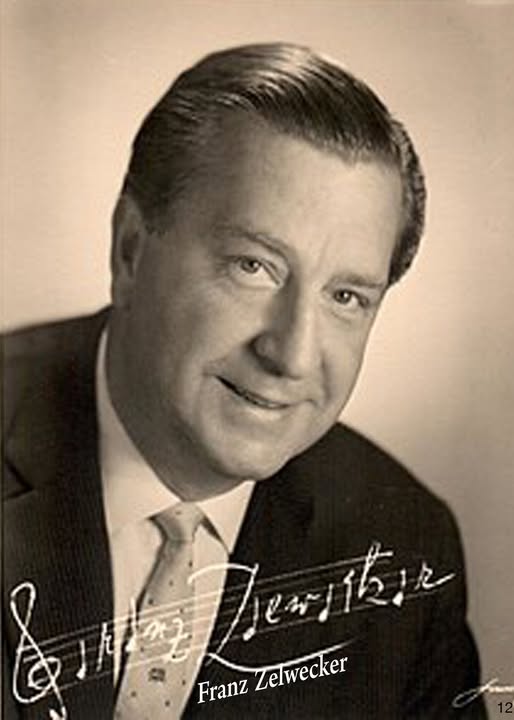

The theatre house was completed between 1948 and 1955 at a cost of 3.5 million birr. Its grand opening was held in November 1955 featuring a performance by a French ballet and the debut of David and Orion.
On October 10, 1955, the 10-meter-high Lion of Judah monument was unveiled in the presence of Emperor Haile Selassie. Speaking at the inauguration, the Emperor emphasized his commitment to using theatre as a vehicle for education, enlightenment, and national pride
Evolution of the Theatre House
Following its inauguration, the Ethiopian National Theatre hosted performances by international artists and received widespread acclaim. One ballet choreographer from San Francisco even remarked, “This is one of the finest stages we have ever used.” The theatre house expanded itS programming to include modern music, drama, and, later film screenings. In 1951, a national orchestra was formed, and cinema showings began in the late 1950s. The formation of the national orchestra. The Ethiopian National Theatre Orchestra indicates a focus on formalizing and promoting orchestral music, The introduction of cinema showings, even if initially limited, suggests an expansion of cultural experiences available to the public.
Though the Theater House was originally built and managed by the Addis Ababa Municipality, artistic direction was provided by experts from Vienna, Austria. After three years, the Municipality handed over management to the Ministry of Education and Fine Arts, citing financial concerns.
Despite this, the foundational relationship between the Municipality and the Ethiopian National Theatre remains an integral part of its legacy.
The Theatre Section
Before the theatre’s official opening, a foundational music and theatre group had been formed in 1943 under the Municipality of Addis Ababa. This troupe, featuring artists like Yoftahe Niguse and Afework Adafre, laid the groundwork for future productions.
The Legendary Artists
Kegn Geta Yoftahe Nigusse
(1894-1947)
Ras Bitwaded Makonnen
(1890-1963)
Laureate Tsegaye Gebre-Medihin
(19036-2006)
Debebe Eshetu
Artist
Haimanot Alemu
Artist
Getnet Eneyew
Artist
About us
Established in 1955 to celebrate the Silver Jubilee of Emperor Haile Selassie I, the Ethiopian National Theatre is the nation's premier venue for the performing arts. Originally starting as "Cinema Marconi" during the Italian occupation, the building was transformed into a grand 1,260-seat landmark in the heart of Addis Ababa. Today, it stands as a symbol of cultural resilience and the "Great House" of Ethiopian music and drama.
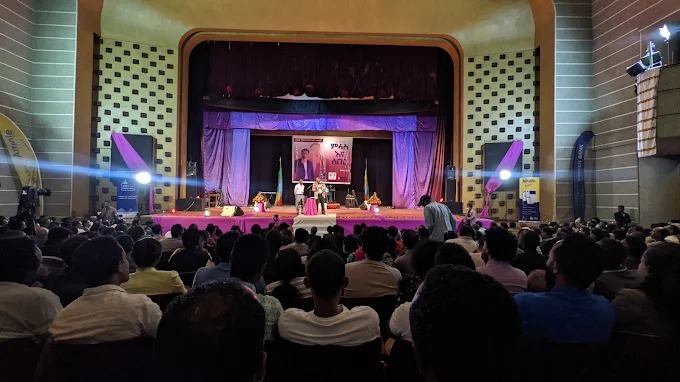
A short introduction to the workshop instructors and why their background should inspire potential student’s confidence. A short introduction to the workshop instructors and why their background should inspire potential student’s confidence.